

BiBi Ha Giang
About Us

I was born and raised in a small, remote village in Ha Giang, where life was incredibly difficult and poverty was part of everyday life. Like most families in my village, my family depended entirely on farming. From a young age, I watched my parents work from early morning until late at night just to earn enough money to support our family.
Where I grew up, having the opportunity to go to university was a luxury that very few people could ever dream of.
I became the first and the only person in my village to attend university. It wasn’t because my family was wealthy. It was because my parents firmly believed that education was the only way I could build a different future. To give me that opportunity, they borrowed money and worked tirelessly day after day. They placed all their hopes in me, believing that one day I could escape poverty and give our family a better life.
While all of my childhood friends stayed in the village, following in their parents’ footsteps and continuing the cycle of poverty through farming, I became the first person to leave. I carried not only my own dreams, but also my parents’ sacrifices, expectations, and unwavering belief in me.
Before going to university, I believed that earning a degree would guarantee me a good job and a bright future.
Reality turned out to be very different.
I graduated with a degree in Agricultural Engineering, but I couldn’t find a job. I soon realised that having a university degree alone wasn’t enough. My family had no connections and no financial means to help me secure employment, while the debts from my university years were still waiting to be repaid.
Feeling lost and uncertain, I moved to Ha Giang City and found a job at a small restaurant serving international travellers. The salary was very low far from enough to help my family repay our debts but that job changed my life in a way I could never have imagined.
It was there that I started learning English.
About a year later, I was fortunate enough to meet a group of travellers. Their tour guide said something that I still remember to this day:
“The fastest way to change your life is to learn English.”
At that time, very few people in Ha Giang could communicate in English, even at the most basic level. He introduced me to a local tour company, where I began working as an Easy Rider.
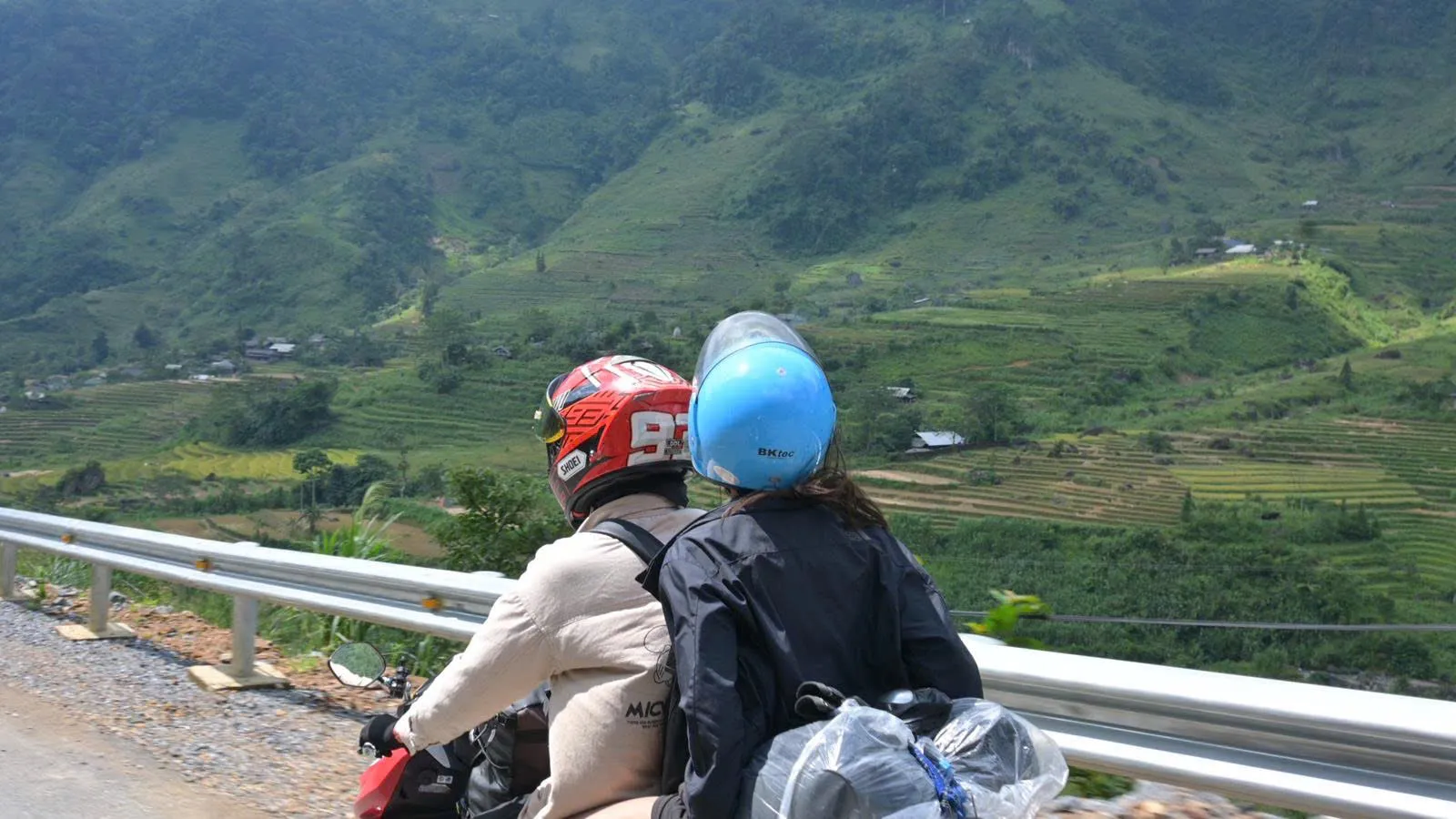
During the day, I took travellers to explore the breathtaking mountains of Ha Giang.
At night, I studied English.
Every conversation with a foreign traveller became a lesson. Every mistake became an opportunity to improve.
After just one year, my English had improved dramatically.
More importantly, the travellers I met from all over the world completely changed the way I saw life. They shared their cultures, different ways of thinking, and opportunities that I had never known existed. They helped me realise that where you are born does not determine where your future ends.
After working for several tour companies and gaining valuable experience, I decided it was time to create my own path.
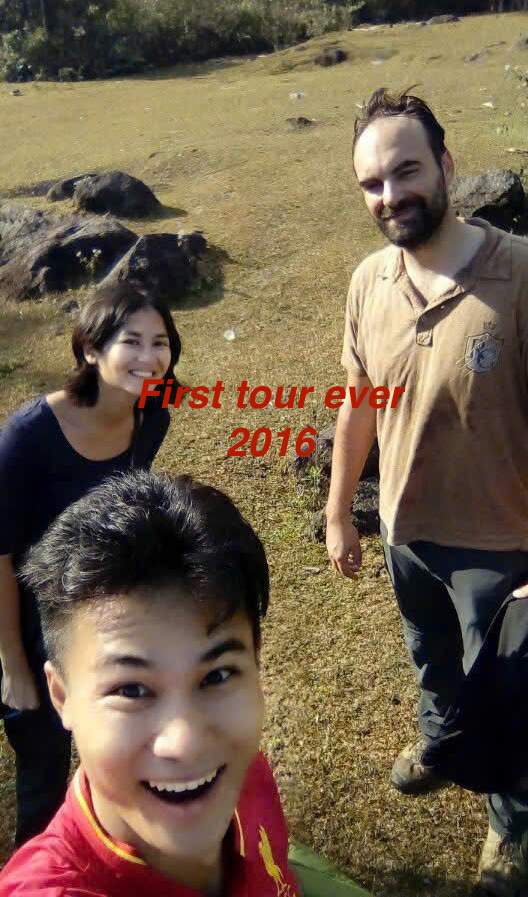
In 2017, after two years working in tourism, I founded BiBi Ha Giang Loop.
I didn’t just want to build another tour company.
I wanted to create a team where travellers could experience Ha Giang through the people who know it best—the local people who were born and raised here. At the same time, I wanted to create more employment opportunities for local communities.
Fortunately, BiBi Ha Giang Loop has earned the trust and support of travellers from all over the world. Thanks to their encouragement, together with the hard work and dedication of our entire team, the company has grown step by step into what BiBi Ha Giang Loop is today.
Having been born and raised in Ha Giang, I understand the challenges that local people face every day. I know what it feels like to worry about every single dollar. I understand the sacrifices parents make so their children can receive an education. I know what it feels like to dream of changing your life without knowing where to begin.
I was fortunate to have parents who believed deeply in the value of education, even though they had almost nothing.
Looking back on my journey, I truly believe that learning—whether through school, learning English, or learning from the people we meet along the way—is the fastest way to change our lives.
Today, my dream is no longer just to build a successful tourism company.
I hope my story can inspire more young people in Ha Giang to believe that no matter where they are born or how difficult their circumstances may be, they can build a better future through education, perseverance, and the courage to step outside their comfort zone.
BiBi Ha Giang Loop is more than just my company.
It is proof that even the biggest dreams can begin in one of the poorest villages hidden among the mountains of Ha Giang.
At Bibi Ha Giang Loop Tours, our philosophy is founded on three core principles that shape every journey we create:
We believe travel should be more than sightseeing. Led by local guides born and raised in Ha Giang, our tours connect you with authentic village life, ethnic traditions, and meaningful encounters with local communities—offering a deeper, more personal experience of northern Vietnam.
Your safety and comfort are our top priorities. With an, experienced riders, and meticulously planned routes, we ensure that you enjoy every moment of your adventure with confidence and peace of mind
We are committed to responsible tourism that gives back. By working with local suppliers, hiring guides from ethnic minority groups, and engaging with village partners, we help strengthen the local economy and create shared benefits for the communities we visit. Every tour you join supports real people and sustainable opportunities in the Ha Giang region.
We are proud to create sustainable employment for nearly 200 local people, providing stable income and long-term opportunities within the Ha Giang region. Each year, we also run internal support programs to assist tour guides within our company who are facing personal or financial hardship, because we believe taking care of our people is just as important as serving our guests.
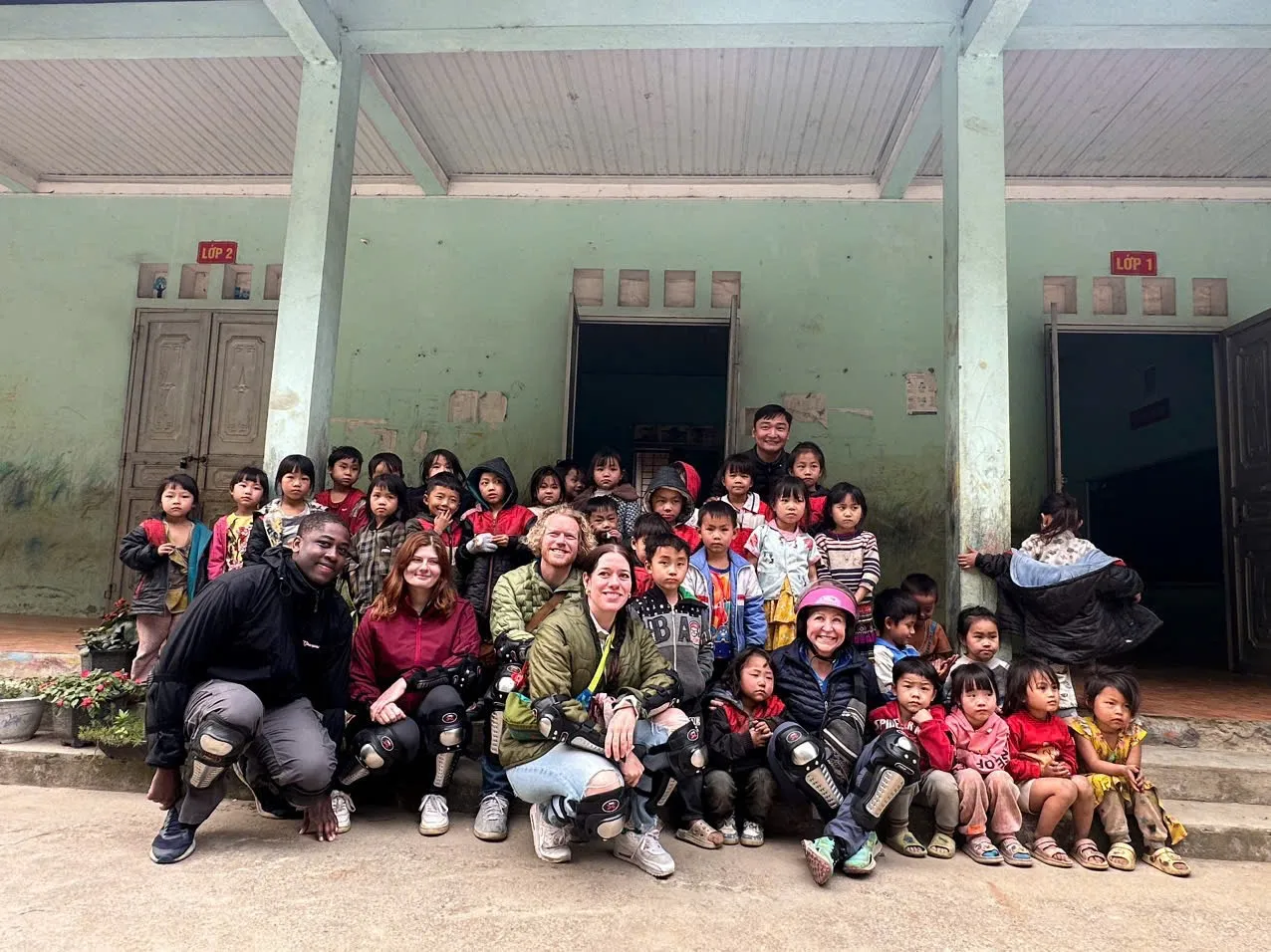
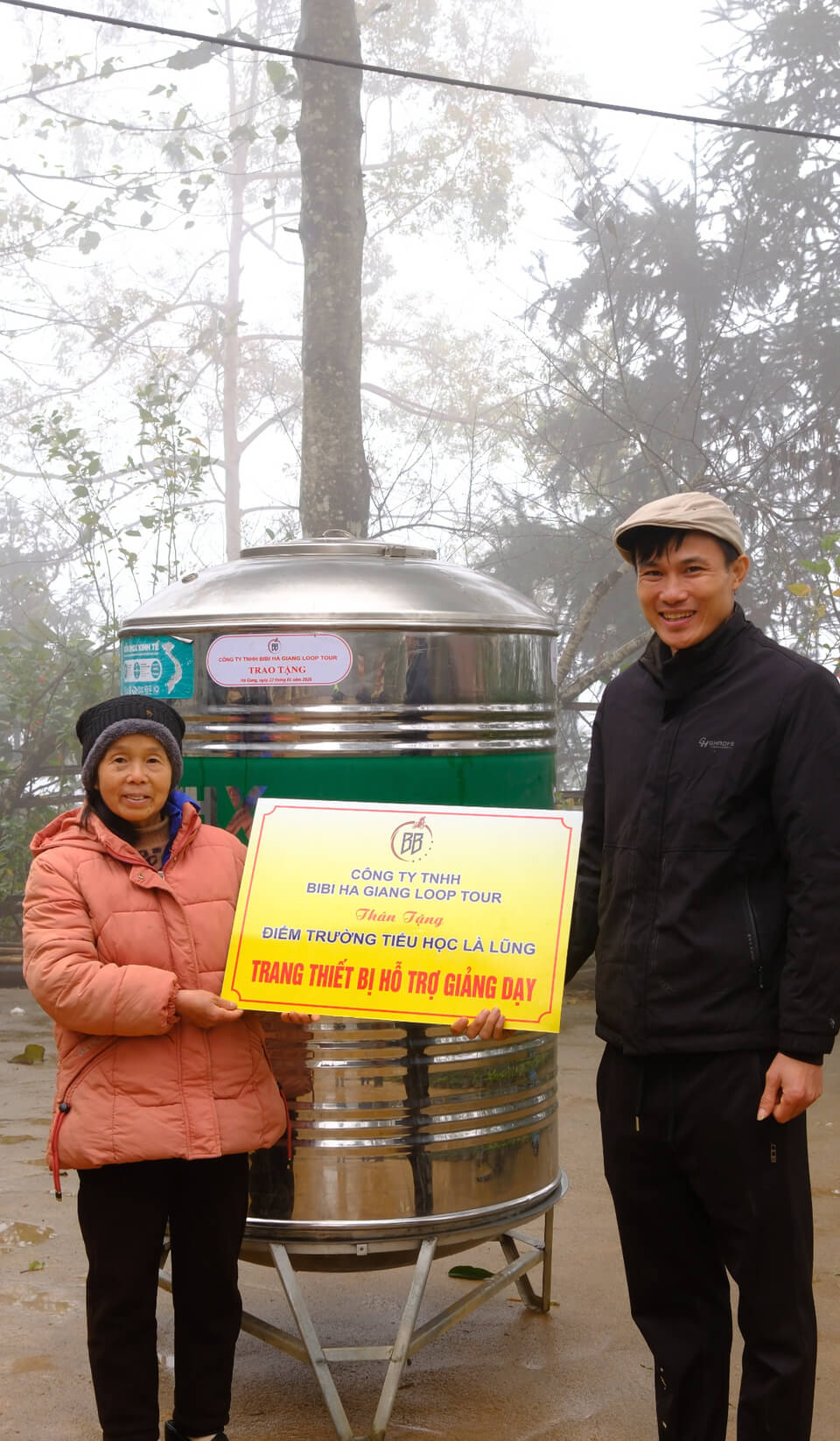
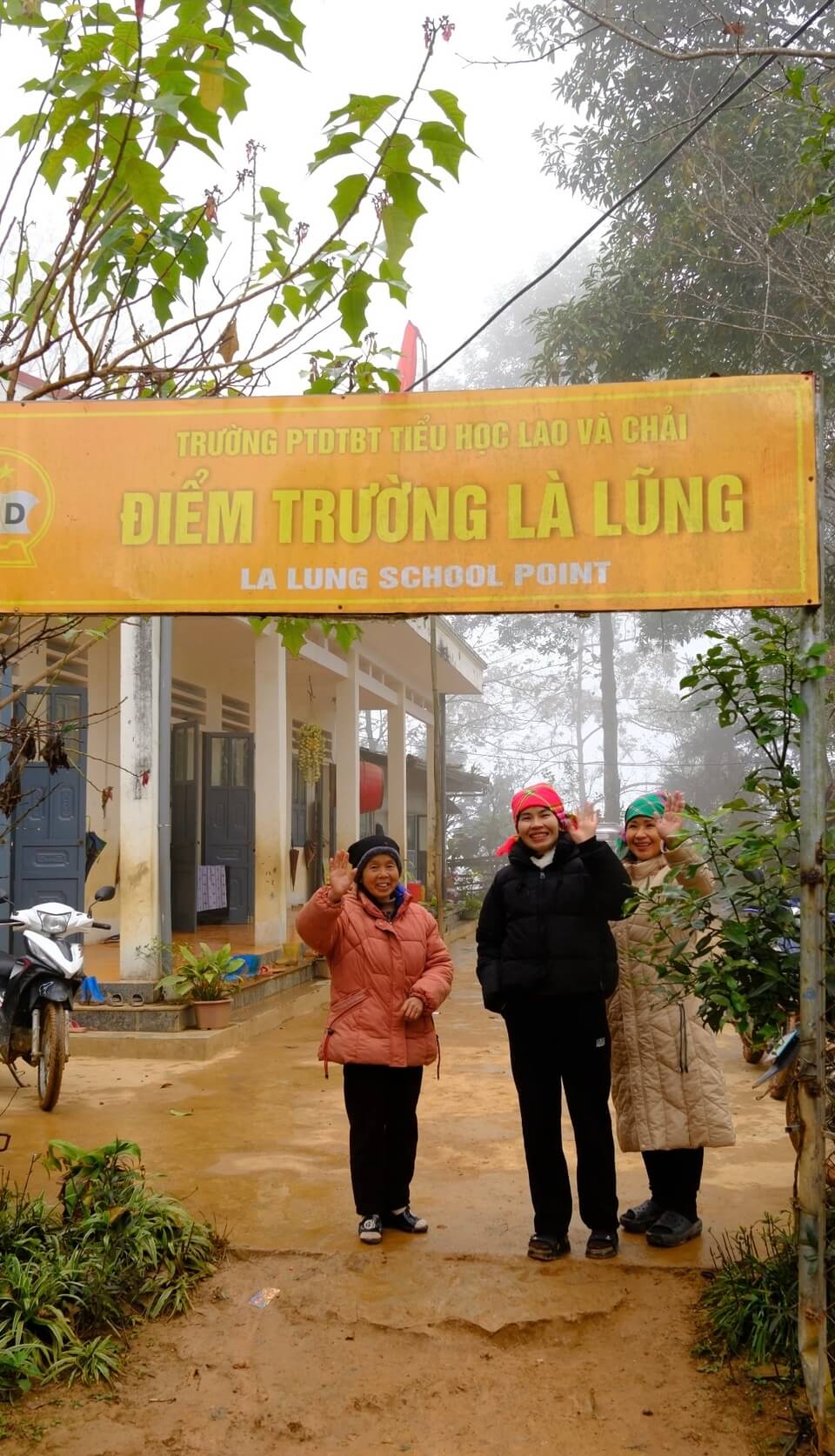
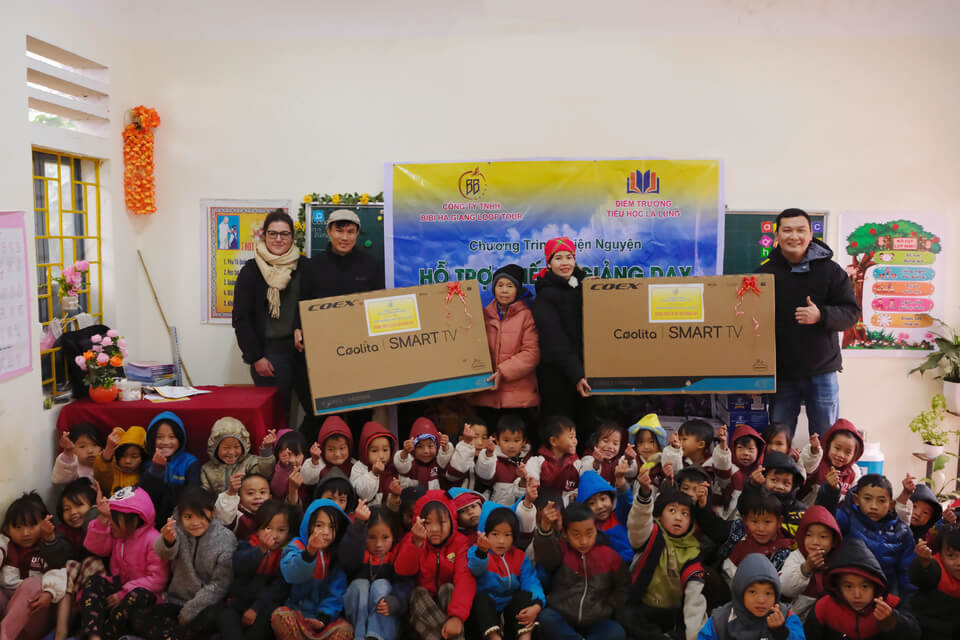
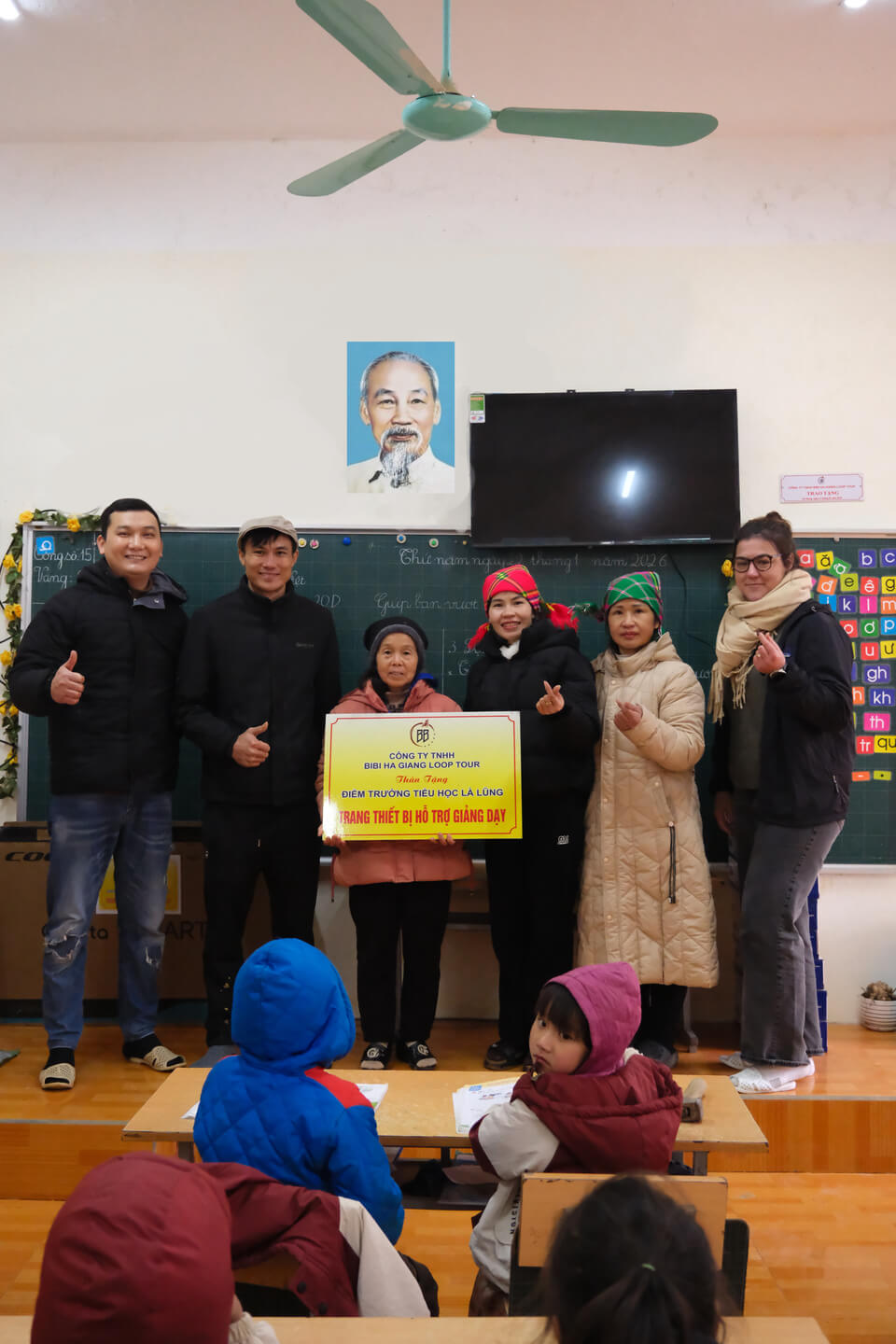
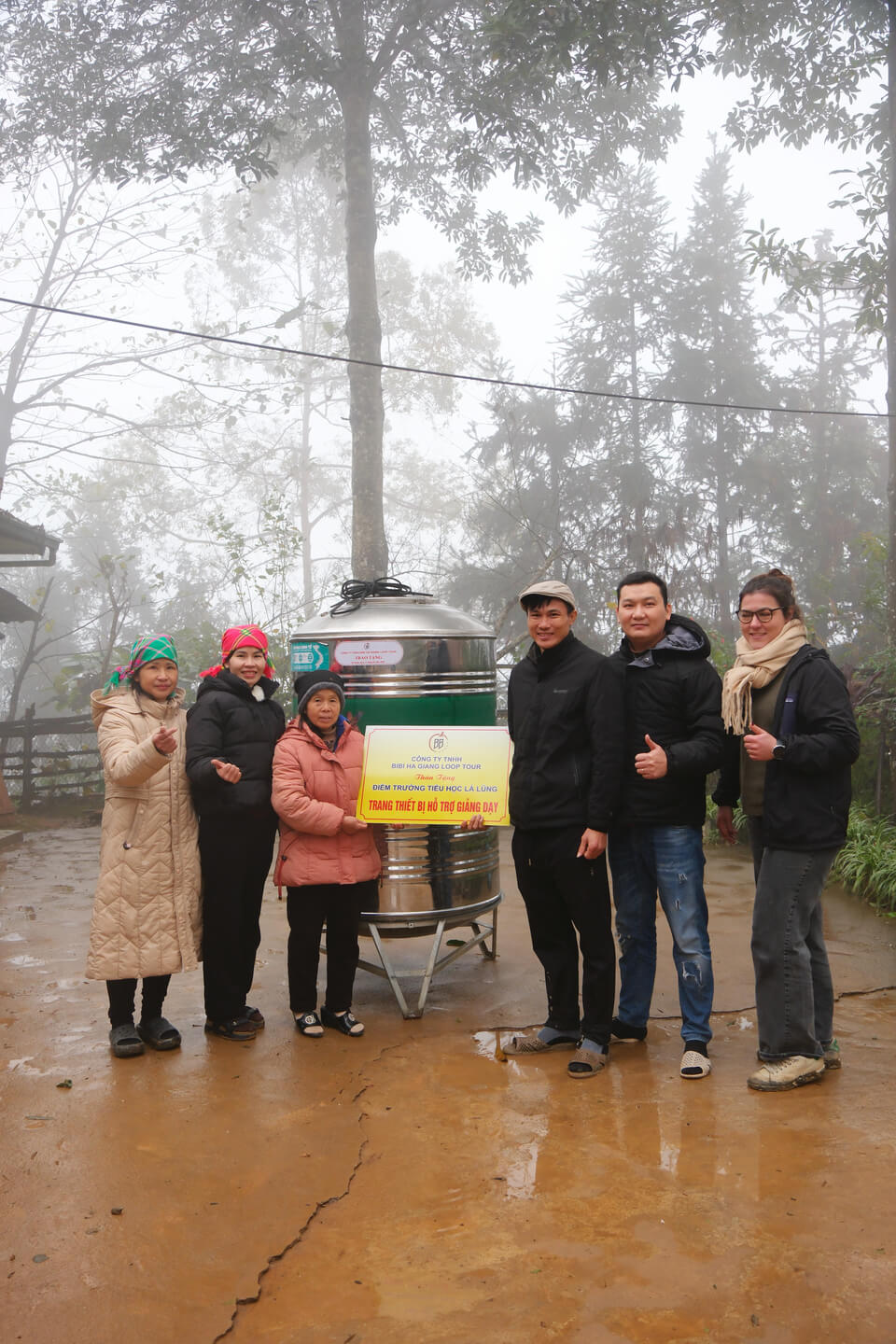
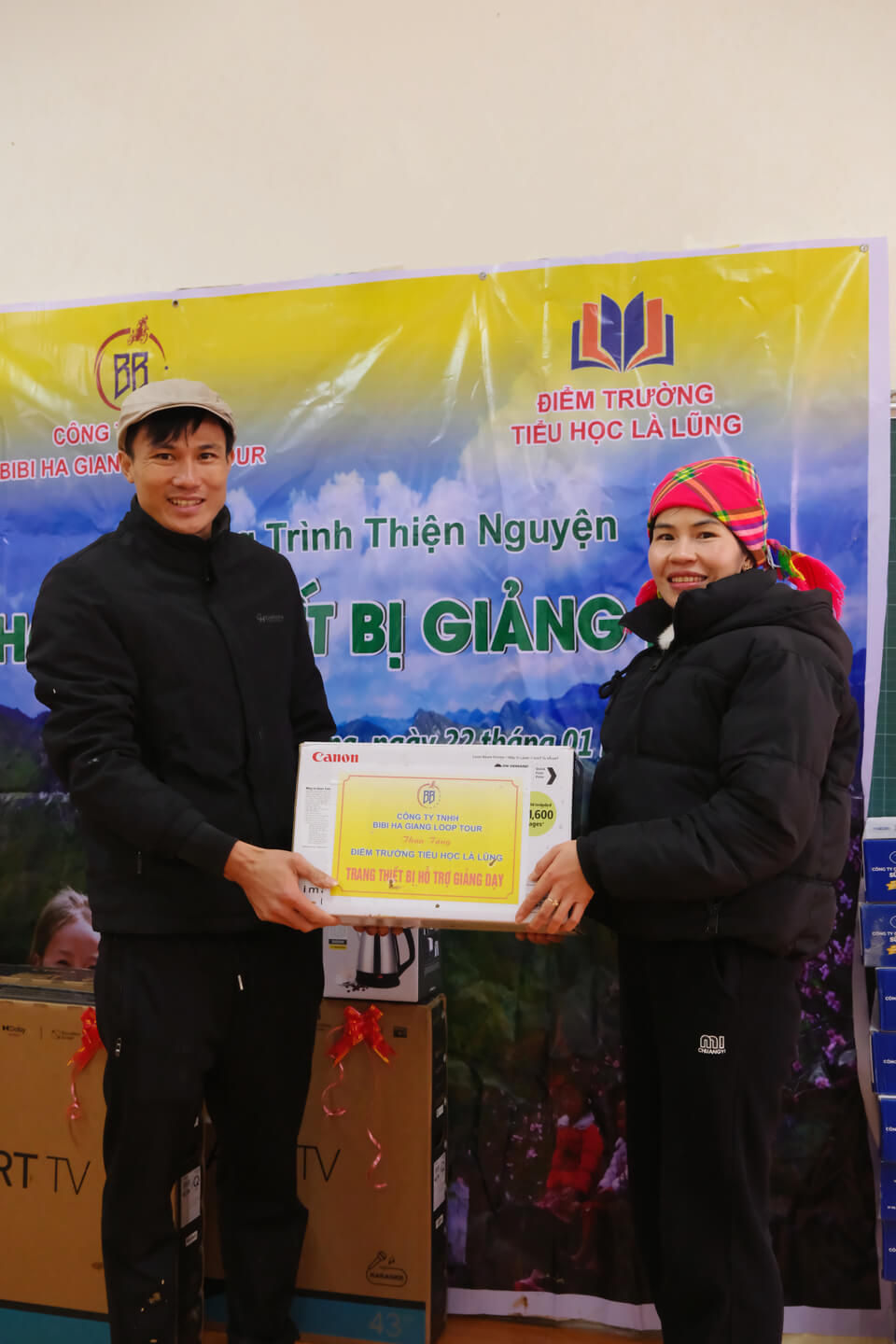
Beyond tourism, we are committed to supporting education in remote areas. Through our School Outreach Project, we allocate a portion of our profits to provide essential equipment for under-resourced schools in Ha Giang, as we strongly believe that investing in education is one of the most meaningful ways to contribute to long-term community development. In 2026, we visited a school in Lung village and donated two televisions, a water tank, an electric kettle, and milk for the children. While we know these are only small contributions, they are intended to ease some of the daily challenges faced by highland schools—where children often walk long distances over mountains, lack access to clean water, and study in environments with very limited teaching equipment and basic necessities. In the coming years, we plan to continue visiting more remote and hard-to-reach schools that receive little attention, extending our support to the communities that need it most.
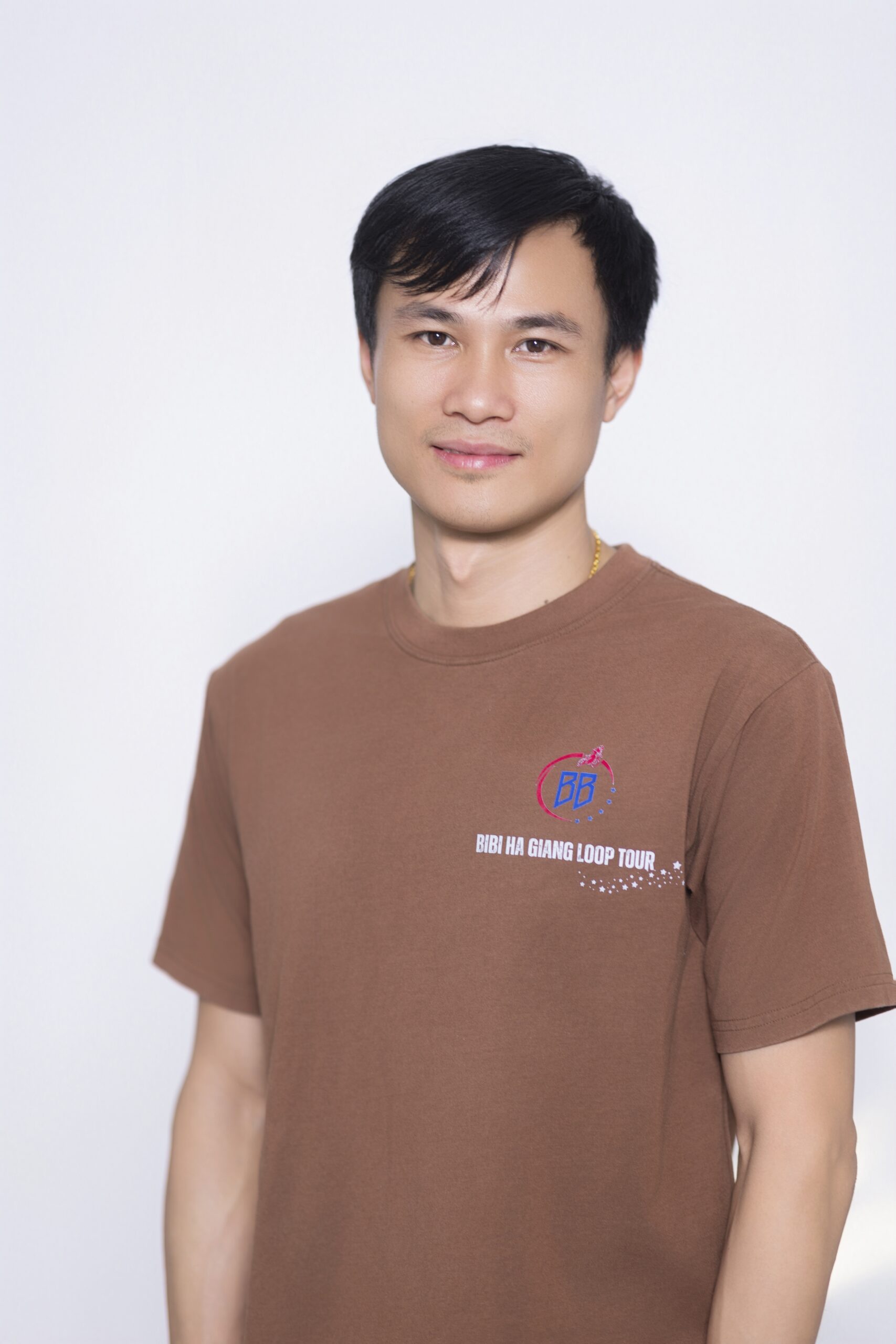
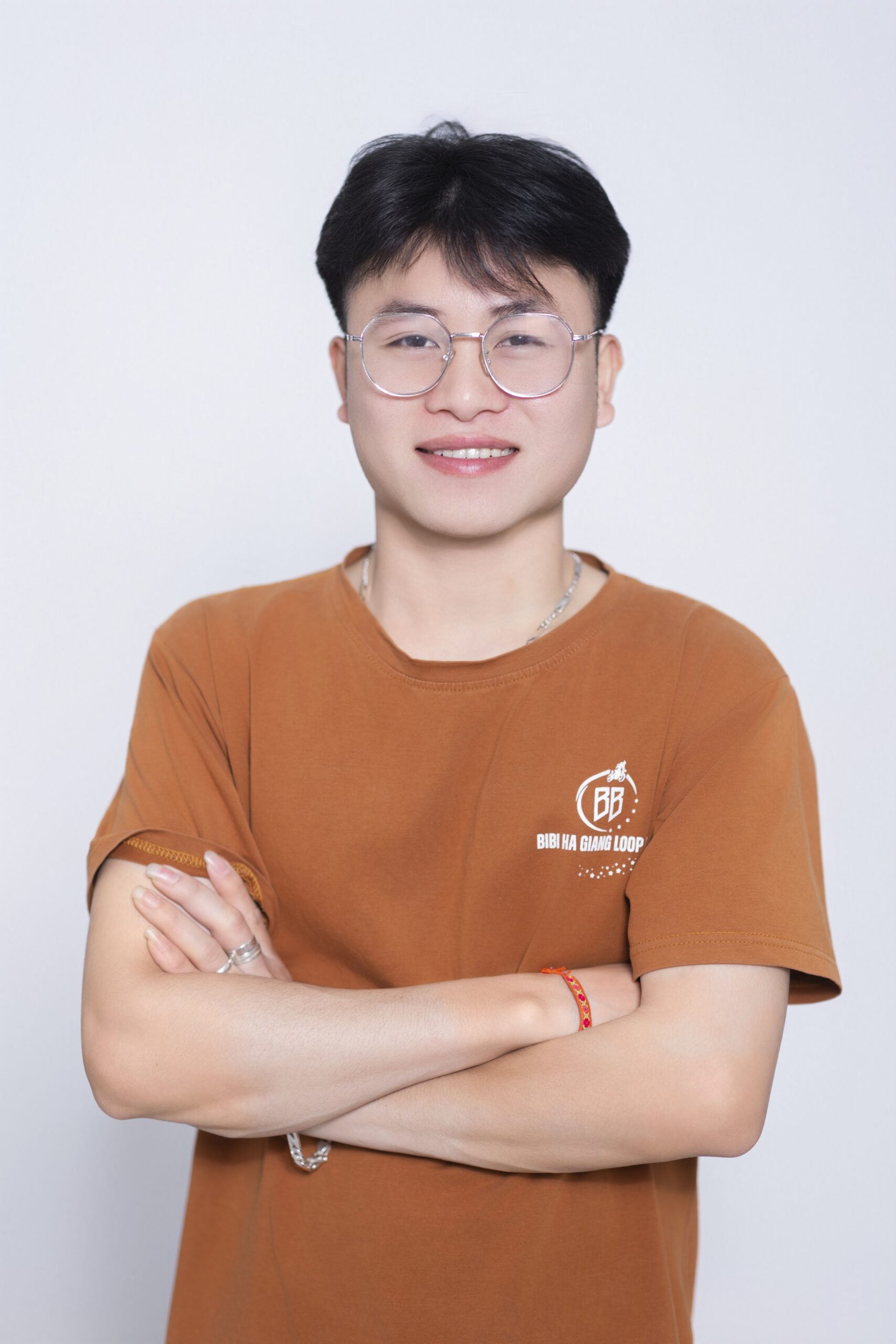
Founder & Tour Leader
+ 10 years experience
(Tày ethnic)
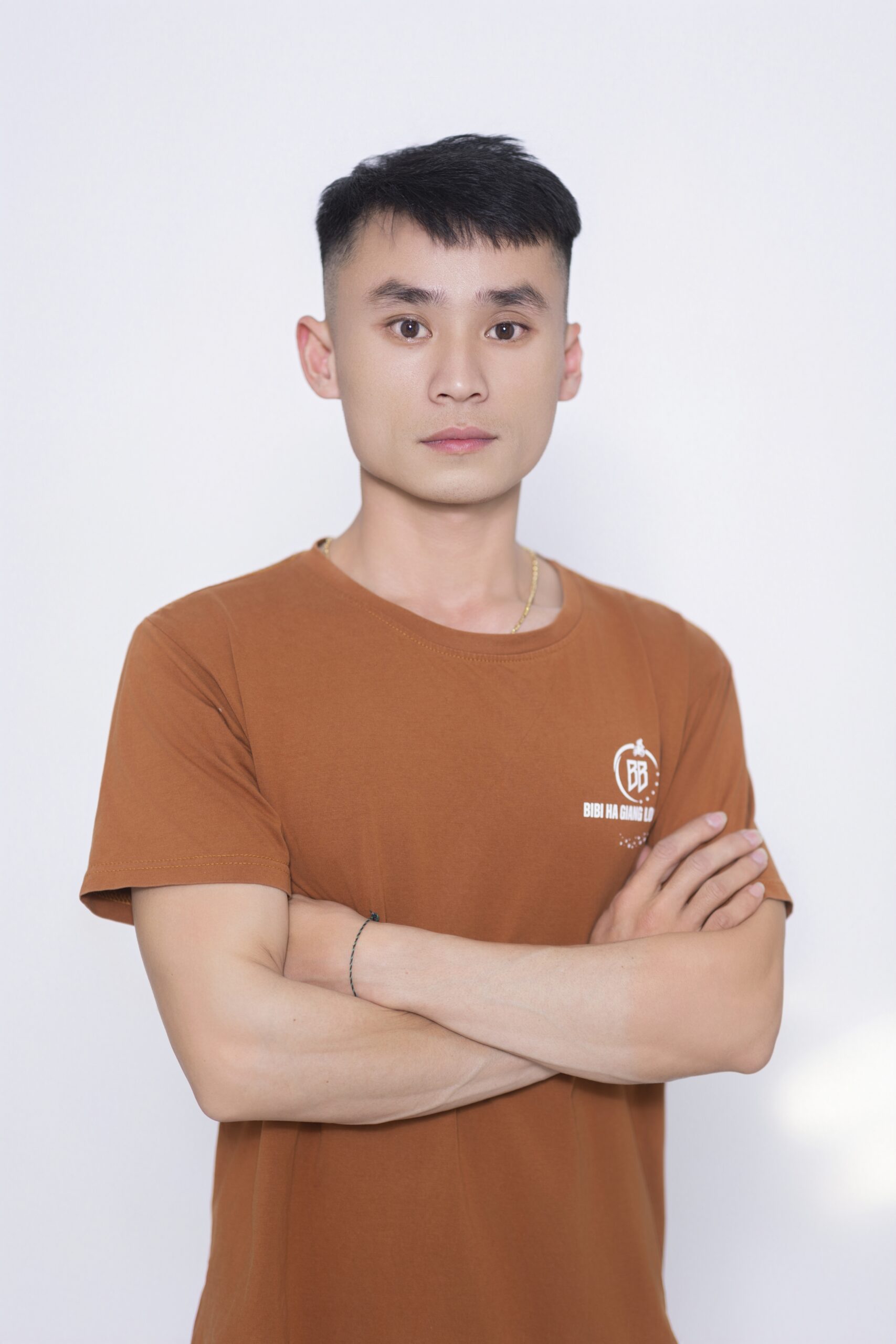
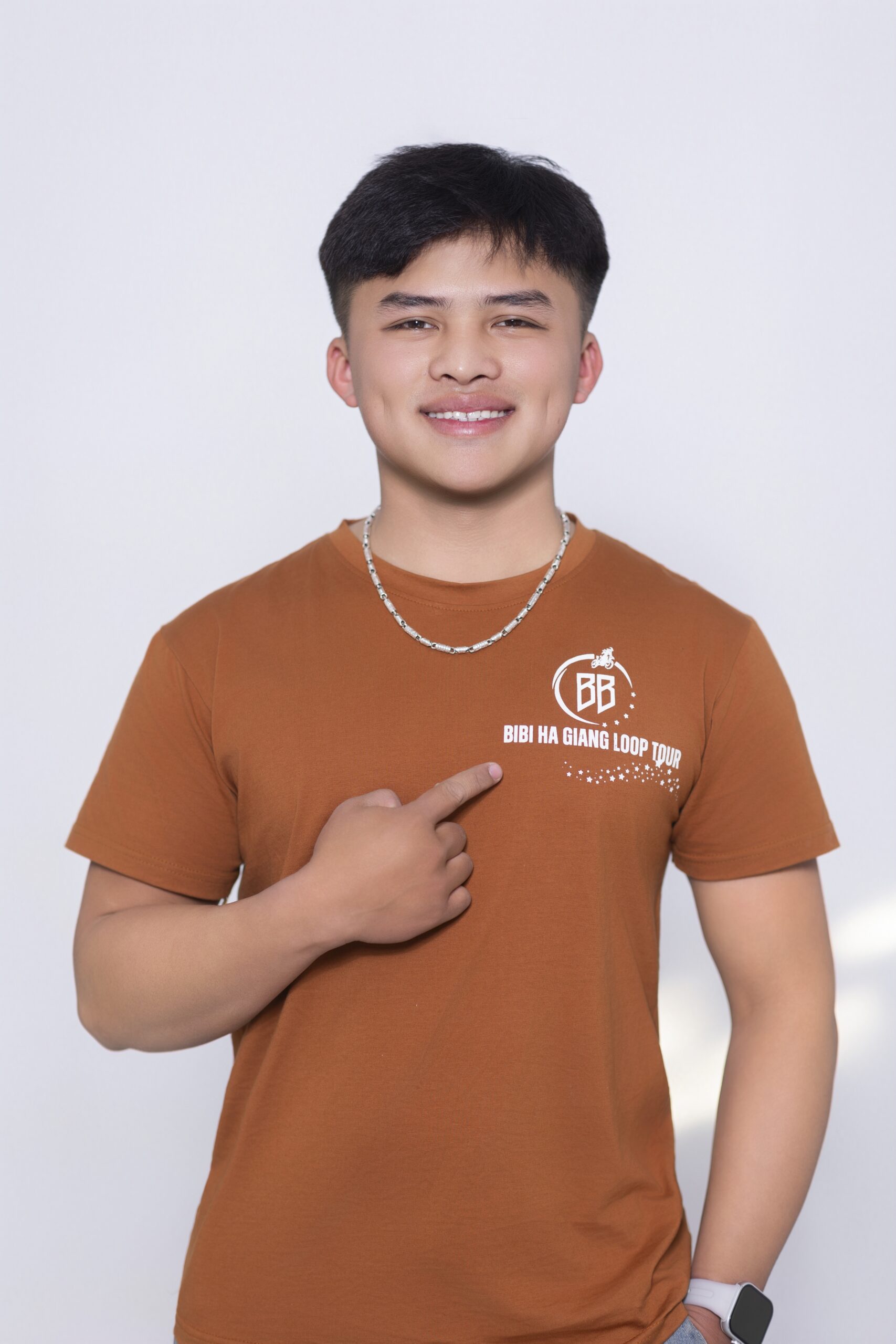
Tourguide
+ 4 years experience
(Tày ethnic)
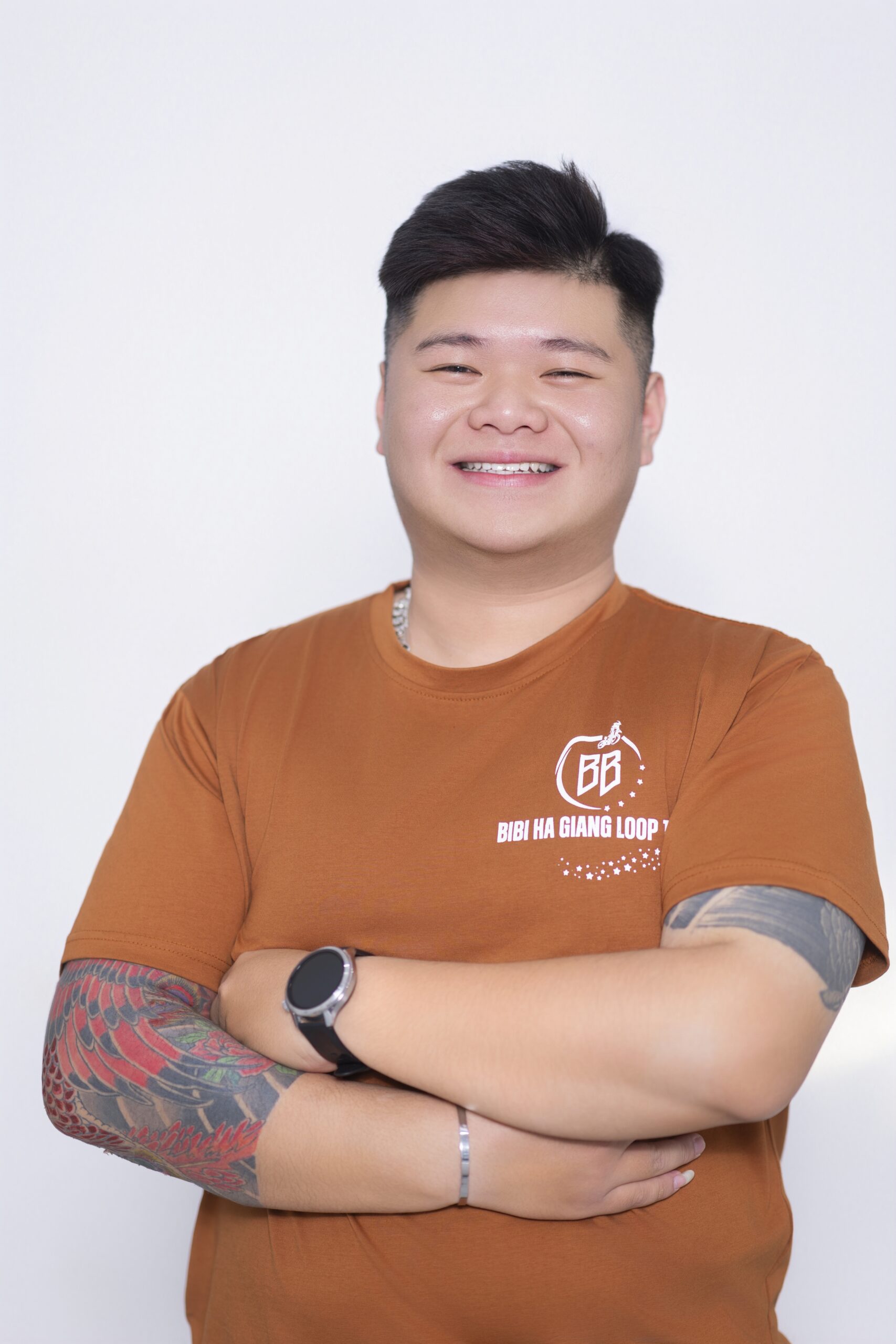
Tourguide
+ 4 years experience
Tày ethnic
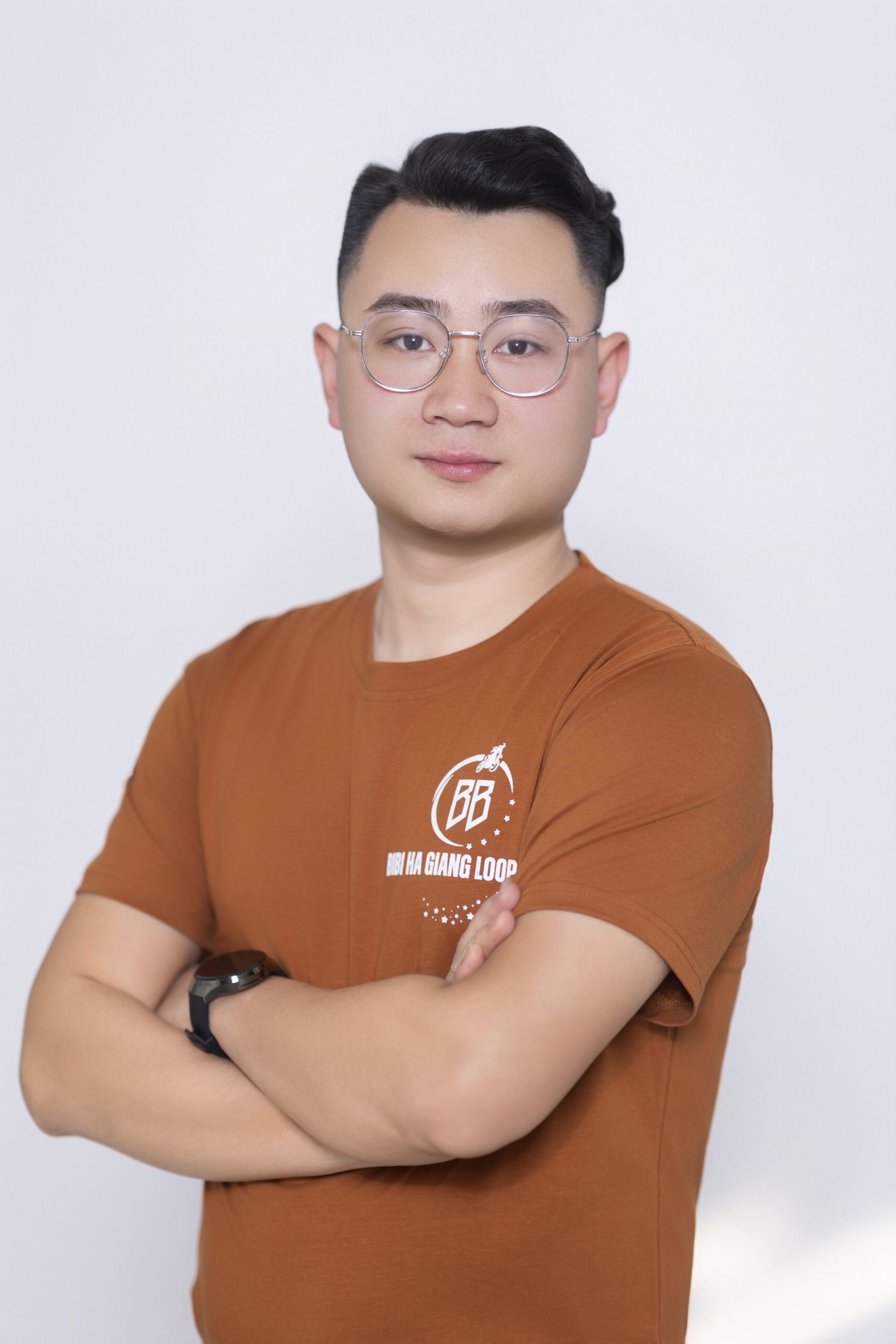
Senior Guide & Route Specialist
Tourguide
+ Tay ethnic
5 years experience
Tourguide
+ Tày ethnic
2 years experience