


Packing for the Ha Giang Loop doesn’t have to be complicated. With changing mountain weather and long hours on the motorbike, a few comfortable clothes and travel essentials are all you really need. Here’s a simple Ha Giang loop packing list covering what to wear, what to bring, and what you can leave behind.
|
Category |
Item |
Note |
|
Documents |
Passport: A clear photo or digital copy is accepted, so bringing the physical passport is not mandatory. |
✓ |
|
Vietnamese visa (if applicable) |
✓ |
|
|
Travel insurance |
✓ |
|
|
International Driving Permit & motorcycle licence (self-riders only) |
Important if you self-drive. Remember to check with your tour operator carefully |
|
|
Ha Giang Border Permit (if arranged separately) |
If applicable |
|
|
Cash (2-3 million VND in cash is recommended) |
✓ |
|
|
Clothing |
Quick-dry T-shirts |
2–4 |
|
Comfortable shorts |
2 |
|
|
Underwear |
One per day |
|
|
Socks |
One pair per day + 1 spare |
|
|
Lightweight jacket or fleece |
✓ |
|
|
Sleepwear |
✓ |
|
|
Footwear |
Trainers or trail shoes |
✓ |
|
Sandals |
Optional |
|
|
Electronics |
Mobile phone |
✓ |
|
Phone charger |
✓ |
|
|
Power bank |
✓ |
|
|
Camera / GoPro |
Optional |
|
|
Toiletries |
Toothbrush & toothpaste |
Optional |
|
Sunscreen |
✓ |
|
|
Lip balm |
✓ |
|
|
Hand sanitiser |
✓ |
|
|
Wet wipes or tissues |
✓ |
|
|
Medicines |
Personal medication |
✓ |
|
Pain relief |
Optional |
|
|
Motion sickness tablets |
Optional |
|
|
Insect repellent |
Recommended |
Understand the Weather Before You Pack
The Ha Giang Loop can be enjoyed throughout the year, but each season calls for slightly different types of clothes:
- Spring (March – May): Mild temperatures with comfortable riding conditions. Light layers are usually sufficient.
- Summer (June – September): The rainy season brings warm days, higher humidity and occasional afternoon showers. Waterproof clothing and quick-drying fabrics become much more useful.
- Autumn (September – November): One of the most popular times to visit thanks to cooler weather, clearer skies and the golden rice harvest in late September and October.
- Winter (December – February): Mountain mornings and evenings can feel surprisingly cold, particularly in Dong Van and other higher-altitude areas. A warm jacket and extra layers are recommended.
Don’t pack for the temperature you see on your weather app. A forecast of 24°C (75°F) may feel comfortable when you’re standing still, but after an hour on the motorbike through mountain passes, many travellers are glad they packed an extra layer.
This is also why most experienced riders prefer wearing several light layers instead of one heavy jacket. It’s much easier to adjust your clothing as the weather changes throughout the day, and it takes up less space in your bag.
What Clothes Should You Pack?
You don’t need specialist motorbike clothing to enjoy the Ha Giang Loop. Most travellers are perfectly comfortable with lightweight, practical clothes that are easy to move in and dry quickly if they get wet.
Clothes for riding during the day
- 2-4 quick-drying T-shirts: Moisture-wicking fabrics stay more comfortable than cotton if you sweat or get caught in light rain.
- 1-2 lightweight long-sleeve shirts: Useful for extra sun protection without feeling too warm.
- 2 pairs of comfortable trousers or hiking pants: Stretchy, breathable materials are ideal for long hours on the bike.
- Enough underwear and socks for each day: Dry socks make a noticeable difference after a full day of riding.
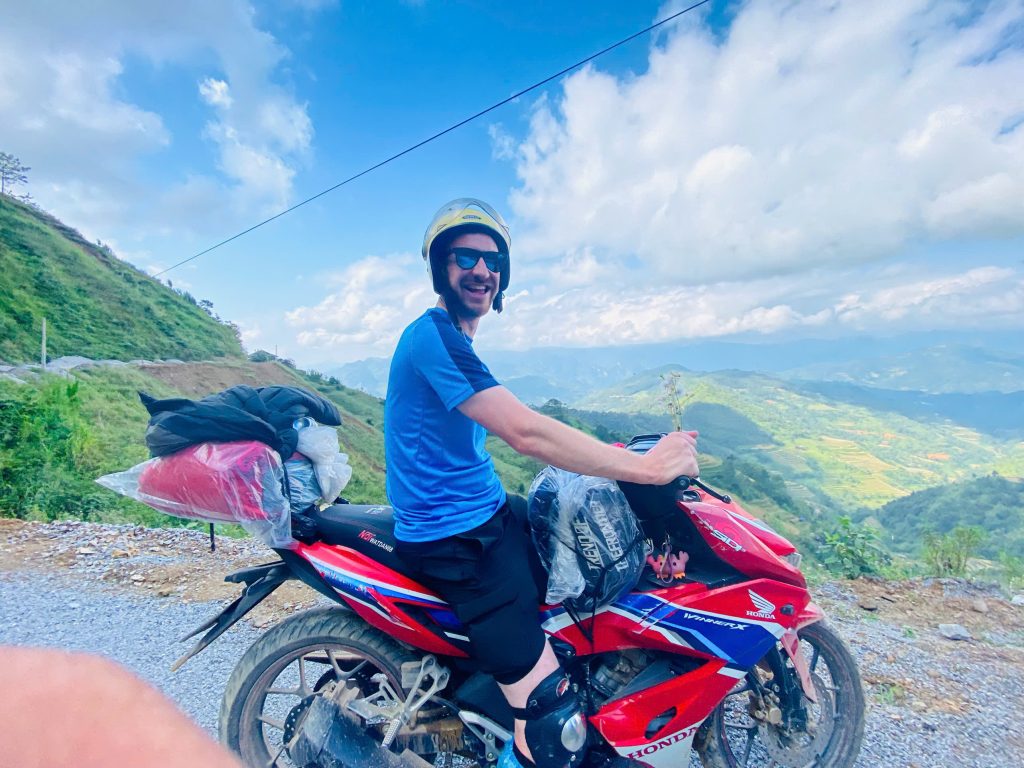
A warm layer for the mountains
Even if you’re visiting during summer, it’s worth bringing one lightweight jacket or fleece.
As you climb into higher elevations around Quan Ba, Dong Van and Meo Vac, temperatures often feel cooler than in Ha Giang City, especially in the early morning, late afternoon and after rain.
Something comfortable for the evening
After arriving at your homestay, most travellers change into clean, comfortable clothes before dinner and relaxing with the group.
Packing one simple change of clothes is usually enough:
- Comfortable T-shirt or hoodie
- Shorts or lightweight trousers
- Sleepwear
Small accessories that make a big difference
These items take up very little space but are surprisingly useful throughout the trip.
- Sunglasses for sunny mountain roads.
- A cap or hat to wear during breaks.
- A neck gaiter or buff to help block wind, dust and sunshine while riding.
- Lightweight gloves if you’re travelling during winter or expect cooler mornings.
Choosing the Right Shoes for the Ha Giang Loop
Your shoes will probably spend more time on the motorbike than on hiking trails. While you’ll stop at viewpoints, cafés and villages throughout the day, most of your time is spent riding, so comfort and grip are much more important than heavy-duty hiking features.
|
What works best? |
||
|
Shoe |
Recommended? |
Why |
|
Trail running shoes |
✅ Best choice |
Lightweight, breathable and provides excellent grip on uneven surfaces. |
|
Trainers or sneakers |
✅ Yes |
Comfortable for riding and walking around viewpoints. |
|
Sandals |
✅ Yes |
Great around the homestay, but not recommended while riding. |
|
Hiking boots |
⚠️ Sometimes |
Useful if you’re planning additional trekking, but often heavier than necessary for the Loop. |
Ha Giang Loop Travel Essentials You Shouldn’t Forget
Documents
These are the only items you should double-check before leaving your accommodation.
- Passport (required for accommodation check-in and identification)
- Vietnamese visa or visa exemption documents, if applicable
- International Driving Permit (IDP) and valid motorcycle licence if you’re self-riding
- Ha Giang Border Permit (if you don’t go with a tour operator)
- Travel insurance details, either printed or stored on your phone
Electronics
You’ll probably take hundreds of photos during the Loop, so your phone or camera will be working much harder than usual.
We recommend bringing:
- Mobile phone
- Charging cable
- Power bank (10,000–20,000 mAh is usually enough)
- Camera or GoPro (optional)
- Spare batteries or memory cards if needed
Although most homestays have electricity for overnight charging, you’ll spend most of the day away from power outlets.
Toiletries
Most homestays provide basic toiletries, but it’s still worth packing your everyday essentials.
Bring:
- Toothbrush and toothpaste
- Sunscreen (SPF 30 or higher)
- Lip balm
- Deodorant
- Wet wipes or tissues
- Hand sanitiser
Mountain sunshine can be surprisingly strong, even on cloudy days, so sunscreen is useful throughout the year.
Medicines
You don’t need to pack a full first-aid kit for the Ha Giang Loop. Tour companies like BiBi Ha Giang Loop Tour provide basic first-aid supplies, so you only need to bring any personal medication or essentials you may need during the trip.
Consider packing:
- Personal prescription medication
- Pain relief (such as paracetamol or ibuprofen)
- Motion sickness tablets if you’re sensitive to winding roads
- Antihistamines for allergies
- Bandages or blister plasters
- Insect repellent, especially during the rainy season
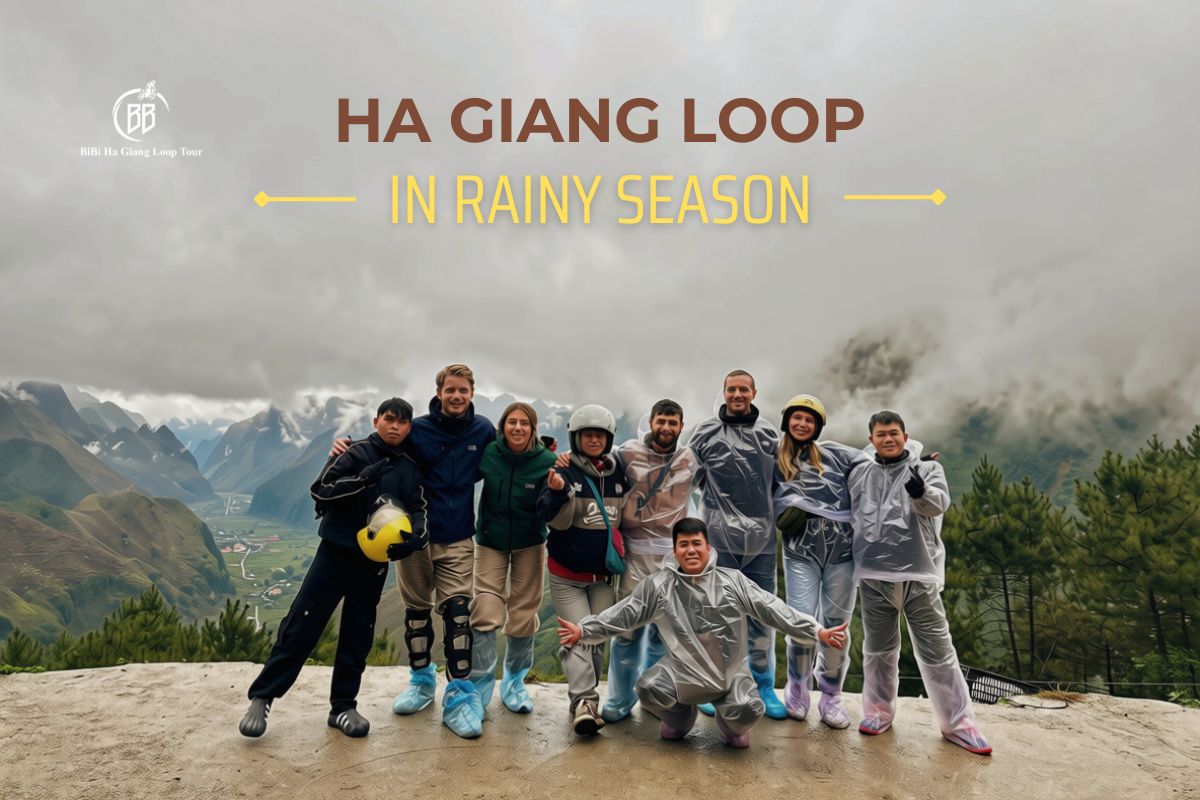
Packing for the Rainy Season (May – September)
The rainy season doesn’t mean you’ll spend the entire trip riding through heavy rain. Instead of packing more clothes, focus on keeping yourself and your belongings dry.
- A lightweight waterproof jacket if you’re travelling independently (BiBi provides raincoats for tour guests).
- Dry bags or zip-lock bags to protect your passport, phone and electronics.
- One extra pair of socks each day.
- Quick-drying clothing instead of heavy cotton fabrics.
>> Read more: Ha Giang Loop in the Rainy Season: Is It Worth It?
Packing for Winter (December – February)
Winter surprises many travellers. Although northern Vietnam isn’t covered in snow, mountain districts such as Dong Van and Meo Vac can feel much colder than cities like Hanoi, particularly during the early morning and evening.
The biggest challenge isn’t extreme cold—it’s spending several hours on a moving motorbike, where wind makes the temperature feel noticeably lower.
Consider bringing:
- A warm insulated jacket or fleece.
- Thermal base layer for early morning departures.
- Gloves to keep your hands warm while riding.
- Thick socks.
- A neck warmer or scarf.
What BiBi Ha Giang Loop Tour Already Provides?
To make your trip more convenient, BiBi Ha Giang Loop Tour currently provides essential riding gear for every guest. Our team is also continuously reviewing and upgrading this equipment to improve comfort and safety.
At the moment, we provide:
- Helmet: Helmets are provided for all guests, and our team is actively working to source helmets that meet appropriate safety standards and certifications.
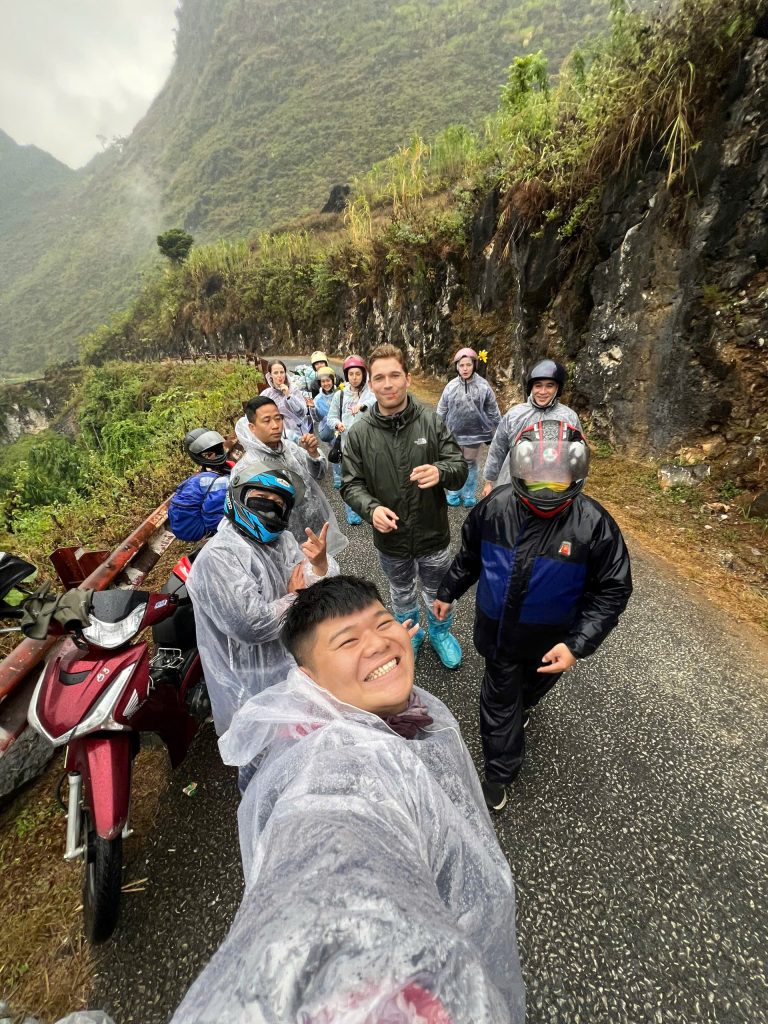
- Raincoat: Plastic raincoats are currently provided in case of rain. We are working toward replacing them with more durable, reusable raincoats in the future.
- Protective gear: Knee and protective gear are provided, with our current equipment being upgraded and replaced as part of our ongoing improvements.
What You DON’T Need To Pack
Many first-time visitors assume they need a large backpack full of outdoor gear for the Ha Giang Loop. In reality, you’ll probably use far fewer items than you expect.
Here are a few things you can safely leave at home:
- Large suitcases: You can leave your main luggage at BiBi’s hostel while you complete the Loop. Your bags are kept in a locked and secure area, with each bag tagged with your name. Once you return from the Loop, your luggage will be ready for you.
- Too many clothes: For a typical 2-day, 3-day or 4-day Loop itinerary, you don’t need a fresh outfit for every stop or photo. Bring 4-5 pieces of clothing that is lightweight, comfortable and easy to re-wear.
- Heavy hiking boots
- Expensive jewellery and valuables
- Hair dryers and bulky toiletries
- A laptop (unless you really need one)
Frequently Asked Questions
How big should my backpack be for the Ha Giang Loop?
A 15–20 litre backpack is enough for most travellers joining a 3–4 day Ha Giang Loop tour. Pack only the essentials you’ll need during the ride, while leaving your larger suitcase in secure luggage storage before departure.
Can I bring a suitcase on the Ha Giang Loop?
Yes, but you won’t take it on the motorbike. Most tour operators, including BiBi Ha Giang Loop Tour, provide secure luggage storage in Ha Giang City, allowing you to travel with just a small backpack during the Loop.
Should I bring cash or can I pay by card?
Bring some Vietnamese Dong (VND) before starting the Loop. While many hotels and businesses in Ha Giang City accept cards, smaller cafés, local shops and roadside stops along the route often operate on a cash-only basis.
Can I do laundry during the Ha Giang Loop?
Laundry services aren’t generally available during the Loop itself. Since most tours last only 2 to 4 days, it’s easier to pack enough clothes for the trip and do your laundry once you return to Ha Giang City.
What should I wear on the motorbike?
Choose lightweight, breathable clothing that allows you to move comfortably throughout the day. Avoid heavy fabrics like denim, especially during the rainy season, as they take much longer to dry if they get wet.
Pack Light. We’ll Take Care of the Rest
Packing for the Ha Giang Loop doesn’t have to be complicated. Once you understand the weather, bring the right clothing, and leave unnecessary items behind, you’ll quickly realise that a small backpack is all most travellers need for an unforgettable journey through Vietnam’s northern mountains.
At BiBi Ha Giang Loop Tour, we make preparing for the Loop even easier. From 2-Day 1-Night, 3-Day 2-Night and 4-Day 3-Night itineraries to Easy Rider and self-riding options, our local team helps you choose the experience that best matches your travel style and confidence on the road.