


You’ve finally found time to visit the Ha Giang Loop – but there’s one problem: it’s the rainy season.
Suddenly, you’re not so sure anymore. You’ve seen weather forecasts predicting rain, read stories about slippery roads and landslides, and started wondering if the trip will still be worth it.
Will the views be hidden by clouds? Will you spend the entire journey soaked? Is it even safe to ride?
The good news is that the answer isn’t as straightforward as “yes” or “no.” Mountain weather in Ha Giang changes quickly, and a rainy-season trip often looks very different from what many travelers imagine.
Surprisingly, many of our guests who travel during the rainy season tell us it exceeded their expectations. Later in this guide, we’ll explain why this season has become one of their favorites. In this guide, we’ll also explain what the rainy season is really like, when it’s perfectly fine to ride, when it’s better to wait a day or two, and whether the Ha Giang Loop is still an unforgettable experience—even in the rain.
When Is the Ha Giang Loop Rainy Season?
Ha Giang’s rainy season usually runs from June to October, with July, August, September receiving the heaviest rainfall. Unlike cities such as Hanoi, rain in Ha Giang is shaped by mountains, valleys, and elevation, so conditions can change quickly throughout the day.
|
Period |
What to expect |
Should you ride? |
|
June |
Rain becomes more frequent, but many days are still rideable. |
✅ Usually yes, if conditions are stable. |
|
July – September |
Peak rainy season. Heavy downpours, landslides and poor visibility become more common. |
⚠️ Only if local conditions are safe. |
|
October |
Rain gradually eases. Rice terraces turn golden during harvest season. |
✅ Often one of the best late-season months. |
Another quick fact: Although weather apps show the forecast for Ha Giang City, keep in mind that the Loop stretches for around 350 km (~220 miles) through different mountain districts. Temperatures, rainfall and visibility can be completely different once you’re higher in the mountains.
Does It Rain All Day During the Rainy Season in Ha Giang Loop?
Not usually, but it depends on the weather system affecting Northern Vietnam at the time of your trip.
During the rainy season (from June to September), Ha Giang receives regular rainfall from the summer monsoon. However, rainfall is rarely distributed evenly across the entire Ha Giang Loop. Because the route passes through mountain passes, valleys and elevations ranging from around 300 to over 1,500 metres, weather conditions can vary considerably within the same day.
In which rain condition that you can comfortably enjoy your loop tour?
⇒ Light rain, passing showers and morning mist are common during the rainy season and are generally manageable with proper riding gear.
Is the Ha Giang Loop still worth visiting during the rainy season?
If you’re not too concerned about occasional showers, this can actually be one of the most rewarding times to experience the Loop.
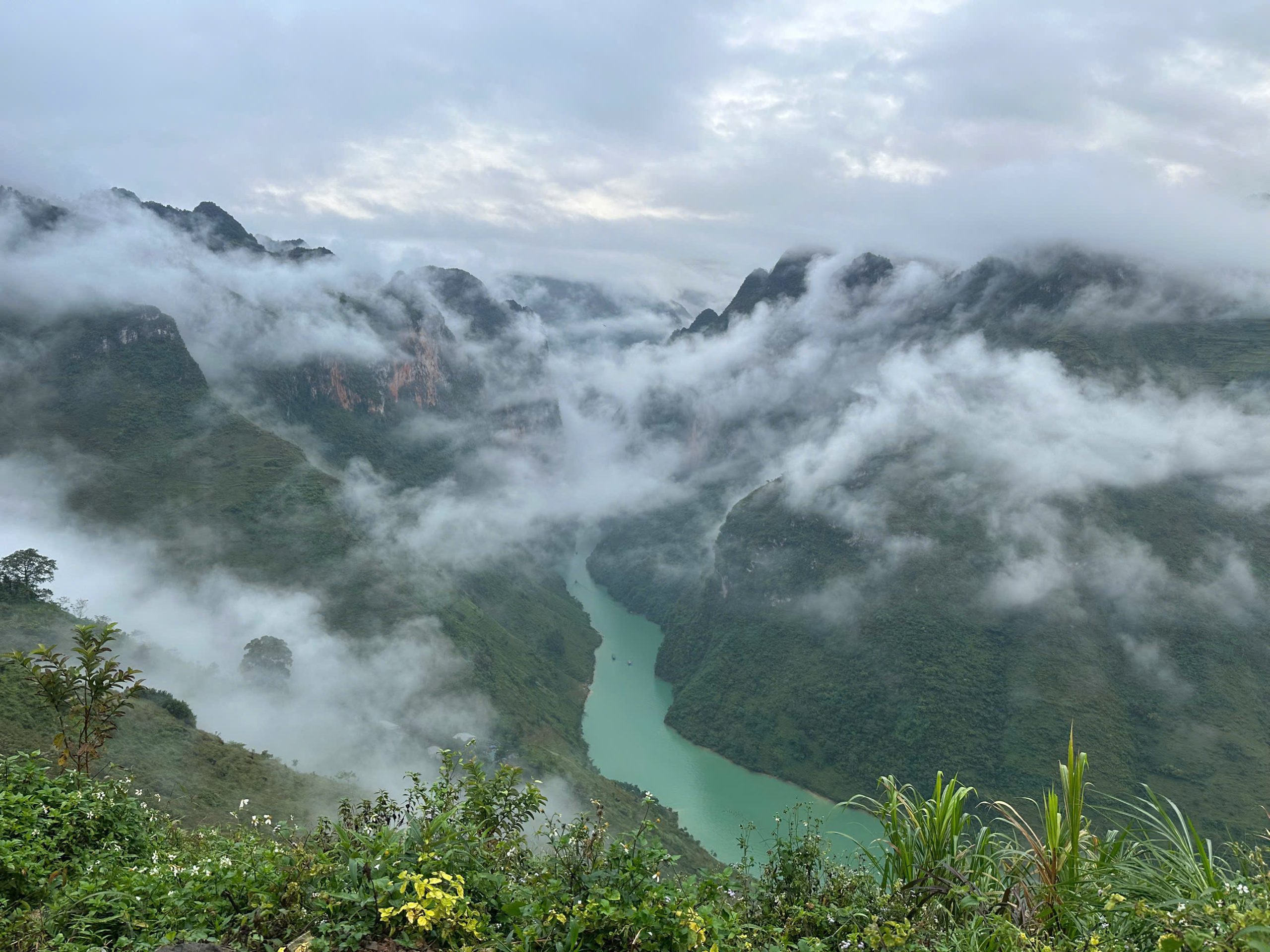
The mountains are at their greenest, rice fields stretch across the valleys in vibrant shades of green, and waterfalls are flowing at their fullest. The roads and viewpoints are also much quieter than during the busy autumn months, giving you a more peaceful and authentic experience.
Another pleasant surprise is the temperature. Although it’s the rainy season, Ha Giang’s mountain climate is often much cooler and more comfortable than Vietnam’s lowland cities. Compared with the hottest months of late spring and early summer (May to July), riding is generally more enjoyable. It’s also far milder than the cold winter months of November and December, when temperatures can drop significantly in the mountains.
Ha Giang Loop Road Conditions During the Rainy Season
One of the biggest misconceptions about the Ha Giang Loop is that the entire route becomes dangerous when it rains. In reality, road conditions vary depending on where you are on the Loop.
Much of the classic Ha Giang Loop follows QL4C and other paved mountain roads connecting Ha Giang City with Quan Ba, Yen Minh, Dong Van and Meo Vac. This road is mostly paved and is used every day by local residents, buses, trucks and tour vehicles throughout the year.
As you leave the towns, the road begins climbing into the mountains. This is where riding becomes more technical, mostly due to the terrain.
On mountain passes, you can expect:
- Long uphill and downhill sections.
- Sharp hairpin bends with limited visibility around corners.
- Narrow roads with steep drop-offs on one side.
- Occasional loose gravel, mud or fallen rocks after heavy rain.
For this reason, many international visitors choose to join a guided bike tour instead of riding themselves:
|
Easy Rider with BiBi |
Self-driving |
|
Your local rider manages the mountain roads while you enjoy the journey. |
You are responsible for navigating every bend, descent and changing road conditions. |
|
Ideal for first-time visitors or anyone unfamiliar with mountain riding in Vietnam. |
Best for confident riders with the correct licence and experience on winding mountain roads. |
|
Local knowledge helps anticipate road conditions after rain. |
You’ll rely on your own judgement and riding experience throughout the Loop. |
At BiBi Ha Giang Loop Tour, our Easy Riders are local people who have spent years riding these mountain roads in every season. Rain isn’t something unusual to them—it’s simply part of life in Ha Giang. They know which corners stay slippery after a shower, which mountain passes are likely to become foggy, and when it’s better to slow down or wait for the weather to improve.
Because we have multiple tour groups travelling the Loop every day, we receive real-time updates about road conditions, weather, landslides, or temporary closures. If necessary, we can adjust the route, change the schedule, or delay departure to avoid unsafe sections.
Most importantly, our Easy Riders never take unnecessary risks. They ride these roads almost every day, but they also understand that getting everyone home safely is always more important than sticking to a schedule. Like anyone else, they have families waiting for them at home. That’s why if the weather becomes genuinely unsafe, they won’t hesitate to slow down, stop for a break, or even change the day’s plan.
Is the Ha Giang Loop Safe When It Rains?
Many travelers assume that rain automatically makes the Ha Giang Loop unsafe. In reality, safety depends much more on how heavy the rain is, current road conditions, and who is riding the motorbike than simply the season itself.
When is it generally safe to ride?
Most tours continue to operate when conditions include:
- Light or occasional rain.
- Passing showers between dry periods.
- Cloudy or misty weather with good road visibility.
These conditions may change the scenery, but they don’t necessarily prevent you from enjoying the Loop.
When should you reconsider?
It may be better to postpone your ride if:
- Heavy rain has continued for several days.
- Local authorities report flooding or landslides.
- Roads are temporarily closed for safety.
What to Wear on the Ha Giang Loop During the Rainy Season?
Instead of packing for constant rain, dress in light layers that are easy to add or remove as the temperature changes.
Clothing that works well might include:
- Quick-dry T-shirt
- Light waterproof jacket
- Thin fleece or light jumper
- Long trousers
- Closed-toe shoes with good grip
*Must-know tip: Avoid wearing jeans if rain is forecast. Once wet, denim takes a long time to dry and can feel uncomfortable during a full day on the motorbike.
If you’re joining the BiBi Ha Giang Loop Tour, you don’t need to pack heavy rain gear from home. We provide waterproof raincoats for riders whenever they’re needed, so you only need to bring comfortable clothing suitable for changing temperatures.
Even on rainy days, it’s worth carrying a small waterproof cover or dry bag for your phone, camera and passport. Mountain showers can arrive quickly, even when the morning starts with blue skies.
Pros & Cons of Visiting the Ha Giang Loop During the Rainy Season
| Pros 👍 | Cons ⚠️ |
|---|---|
| Lush green landscapes – The mountains, forests, and rice terraces are at their greenest, creating some of the most beautiful scenery of the year. | Unpredictable weather – Mountain weather changes quickly. You may experience sunshine, mist, and rain all in the same day. |
| Rice terraces at their best – From June to September, the valleys around Quan Ba, Yen Minh, and Du Gia are covered in vibrant green rice fields. | Occasional heavy rain – Some days may bring heavy showers, especially in July and August. |
| Waterfalls and rivers are spectacular – Seasonal waterfalls are flowing at their fullest, and the Nho Que River looks even more vibrant after rainfall. | Some activities may be adjusted – Boat trips or waterfall visits may be delayed if weather conditions become unsafe. |
| Fewer tourists – Compared with October and November, you’ll enjoy quieter viewpoints, cafés, and homestays. | Roads can be slippery – Riding requires extra caution, particularly on smaller village roads. |
| Pleasant mountain temperatures – Despite being the rainy season, Ha Giang is often much cooler than Vietnam’s lowland cities and more comfortable than the hottest summer months. | Visibility isn’t always perfect – Famous viewpoints like Ma Pi Leng Pass can occasionally be covered by mist or low clouds. |
| A more authentic experience – Daily life continues as normal, giving you a chance to see local farmers, markets, and villages without the peak-season crowds. | A flexible mindset is important – Your guide may adjust the route or timing to ensure the safest and most enjoyable experience. |
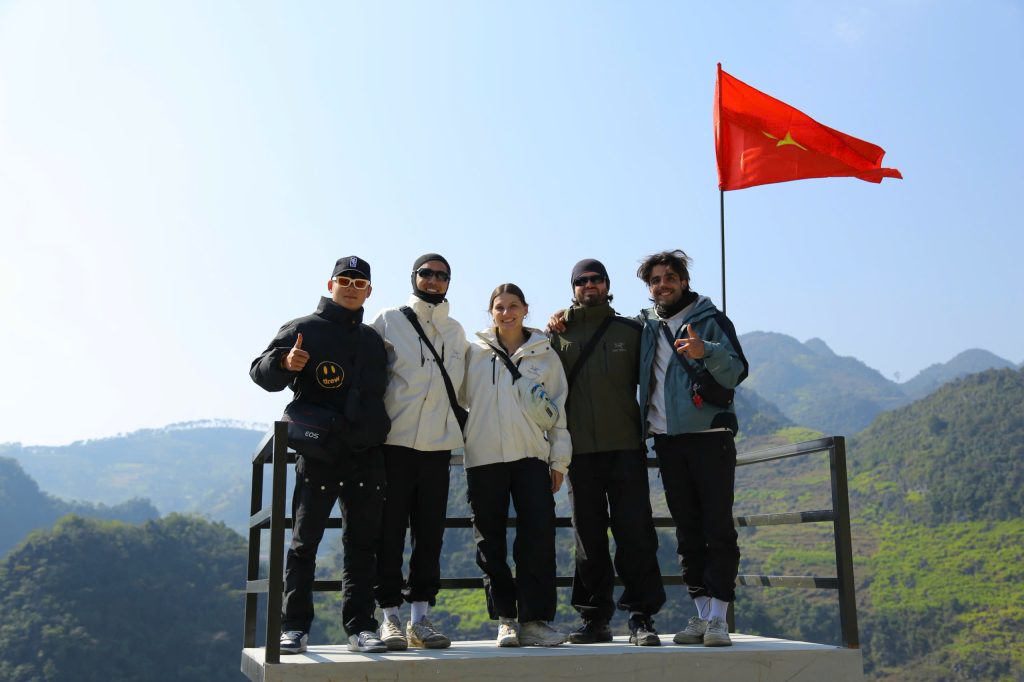
If you don’t mind occasional rain and prefer lush scenery, cooler temperatures, and fewer crowds, the rainy season can be one of the most rewarding times to experience the Ha Giang Loop. However, if your priority is guaranteed sunshine and crystal-clear mountain views every day, you may prefer to visit when the weather is clear.
Should Beginners Ride During this Season?
If you’ve never ridden a motorbike before, the rainy season is not the ideal time to learn on the Ha Giang Loop.
The Loop covers around 350 km of mountain roads over several days. While much of the route follows the paved QL4C highway, riders also encounter steep climbs, long descents and tight hairpin bends.
Before deciding to self-drive, consider whether you can confidently answer “yes” to most of these questions.
- Have you ridden a manual or semi-automatic motorbike before?
- Have you ridden on winding mountain roads rather than flat city streets?
- Are you comfortable riding in light rain or on wet pavement?
- Do you hold a valid licence that is recognised for riding in Vietnam?
If your answer is no to several of these questions, self-driving probably isn’t the safest option.
Local Tips
Here are some practical tips that locals and experienced riders often follow:
Choose the right start time
- Start riding early (around 7–8 AM) when the weather is often clearer.
- Try to reach your accommodation before 4 PM, as afternoon storms are common.
Be flexible with your itinerary
Don’t lock yourself into a strict 3- or 4-day schedule. If there’s a severe weather warning or heavy rain, spending an extra night in a town is usually the safest choice.
Good places to wait out bad weather include:
- Đồng Văn
- Yên Minh
- Mèo Vạc
Wear proper rain gear
Bring or rent:
- A quality rain suit (better than disposable ponchos)
- Waterproof gloves
- Waterproof boot covers
- Dry bags or waterproof backpack covers
- Zip-lock bags for your phone and documents
Fuel up whenever you can
Gas stations become less frequent in remote areas. Many riders refill whenever the tank drops to around half.
Download offline maps
Cell coverage is generally good in towns but can disappear in mountain passes. Download your route before leaving.
Expect reduced visibility
Fog can appear suddenly, especially around Mã Pí Lèng Pass or Thẩm Mã Pass
If visibility drops to only a few meters, it’s better to stop and wait rather than continue.
FAQs
Which month has the heaviest rain in Ha Giang?
July and August are typically the wettest months. These months are more likely to experience prolonged rainfall, which can affect visibility and occasionally cause temporary road closures or landslides in mountainous areas.
Will my tour be cancelled if it rains?
Not necessarily. Light rain or passing showers rarely stop Ha Giang Loop tours. Tours are usually only postponed or routes adjusted when heavy rainfall creates unsafe road conditions.
At BiBi Ha Giang Loop Tour, our team monitors local conditions before every departure and will recommend the safest option if the weather changes.
>> View more: BiBi’s Terms and Conditions
Is travel insurance recommended?
Yes. Because the Ha Giang Loop involves mountain roads and motorbike travel, comprehensive travel insurance that covers your planned activities is strongly recommended. Before you travel, check that your policy includes motorbike riding and meets any licence requirements set by your insurer.
Ready to Experience the Ha Giang Loop – Rain or Shine?
The rainy season doesn’t automatically mean you should cancel your Ha Giang Loop plans.
At BiBi Ha Giang Loop Tour, our local team rides these roads year-round. Before every departure, we check current road conditions and weather updates to help ensure the safest and most enjoyable route for the day. If conditions change, we adapt the itinerary based on local knowledge – not just the forecast on a weather app.
With BiBi Ha Giang Loop Tour, you’ll enjoy:
- 2D1N, 3D2N and 4D3N Ha Giang Loop tours
- Easy Rider tours with experienced local drivers, or self-riding tours if you hold the correct licence and have mountain riding experience.
- Semi-automatic and manual motorbikes, maintained and prepared for the Loop.
- Dormitory or private homestay rooms, depending on your travel style and budget.
- Transport from Hanoi to Ha Giang, including VIP Cabin Bus, Sleeper Bus, Limousine Van or private car transfers, making it easy to start your trip from the capital.